

Starting a tech company today means working with contradictions. Tools are cheap. Distribution is global. And AI puts serious capabilities in anyone’s hands.
However, the legal landscape shifts faster than most founders expect. And it’s easy to blow past launch milestones without building the foundation that holds up when things get messy.
The legal side works like the backend of your product. Invisible until something breaks, then suddenly everywhere. Read on to learn how to navigate the legal landscape for your tech startup.
The Legal Structure for Tech Startup
Your legal structure defines how you’re taxed and how you raise money. It also determines what happens if things go wrong and how you exit.
Here’s how the common structures compare:
| Business Structure | Definition | Descriptions |
| LLC | Protects personal assets with pass-through taxation |
|
| C-Corp (often Delaware) | A separate, investor-friendly entity taxed on its own |
|
| S-Corp | Pass-through taxation with eligibility limits |
|
| Partnership | Owned by two or more people sharing profits and losses |
|
| Sole proprietorship | A one-person business with no legal separation |
|
To decide, think about:
- Where your capital will come from in the next 12–24 months
- Liability exposure given your product and data footprint
- Tax implications now versus at exit
- How quickly you’ll hire and issue equity
Legal Areas and Key Steps for Your Tech Startup
Legal isn’t just a box to check. It’s part of how you build and scale your startup.
Startup tech trends have taken off since the pandemic. As these trends drive faster innovation and tighter rules, getting the basics right early can save you time. Not to mention money and energy later!
That said, below are legal areas to consider and practical steps to take for your startup.
-
Intellectual property protection
In tech, intellectual property (IP) can be everything. Think code, models, brand, algorithms, datasets, and designs. However, IP rights protection is one of the common legal issues most small businesses face.
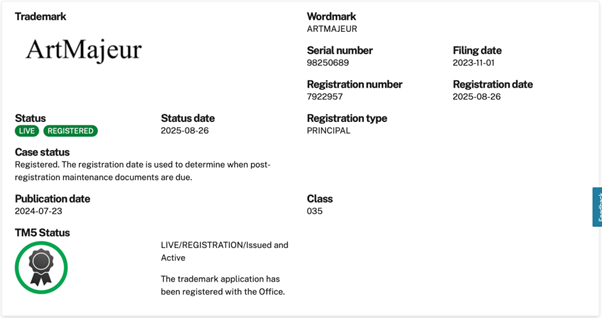
Take it from Samuel Charmetant, founder of ArtMajeur. When launching his art startup, he makes IP rights a top priority to protect pieces of artwork.
“Start documenting innovations from day one and file provisional patents early,” Charmetant suggests. “Too many founders wait, then watch competitors move into their space. A strong IP portfolio protects your position and attracts serious investors.”
The main tools:
- Patents: Protect inventions and processes. Provisional filings buy you a year to refine and seek funding. Public disclosures before filing can destroy rights in many countries. Don’t present at a conference or publish a white paper until you’ve filed.
- Trademarks: Guard your brand names, logos, taglines, and other design identifiers. Run clearance searches before you fall in love with a name. The USPTO has a search tool to help you check trademarks.
- Copyrights: Cover code, written content, designs, and other creative works. You own copyright upon creation, but registration strengthens enforcement. The U.S. Copyright Office has a portal for registering copyrights.
Practical protection steps:
- Use an invention assignment and confidentiality agreements for all founders and employees from day one.
- Keep lab notebooks and/or digital logs documenting development timelines.
- Audit open-source licenses in your codebase. Licenses like GPL carry obligations that can affect distribution. The Open Source Initiative has accessible summaries.
- Align patent strategy with your roadmap and fundraising milestones.
Watch out for:
- Announcing features publicly before filing provisional patents
- Letting contractors own the code they wrote because you skipped an IP assignment
- Choosing a product name that collides with an existing mark
- Assuming open-source means “no strings attached”
-
Regulatory compliance
Data flows everywhere now, and regulators noticed. So, there are legal questions to ask when launching your business. Remember, your compliance posture is part of your product.
Compliance isn’t optional anymore. It’s existential. A single GDPR violation can result in fines that sink an early-stage company. Build it into your product development process. Not as an afterthought.
Rules many tech startups face:
- GDPR (EU/UK): Requires a lawful basis for processing, data minimization, user rights, and strict breach rules. Fines can reach 20 million euros or 4% of global turnover. Check the overview from the European Commission.
- CCPA/CPRA (California): Include transparency and access/deletion rights, not to mention a “Do Not Sell or Share” requirement for certain data. The California Privacy Protection Agency outlines these obligations as FAQs.
- HIPAA (U.S. health data): If you handle protected health information for covered entities, you’ll need Business Associate Agreements and robust safeguards. Review the US Department of Health and Human Services (HHS) summary.
- COPPA (kids under 13): Parental consent and strict limits for services targeting children. Make sure to check the FTC’s compliance guide.
Getting practical:
- Map your data – what you collect, where it lives, who accesses it, how long you keep it
- Bake privacy-by-design into sprints – keep only what you need, turn on logs, and role-based access
- Set up a breach response plan – with clear roles and timelines
- Use approved mechanisms – like Standard Contractual Clauses for cross-border transfers from the EU; details from the European Commission are here
- Appoint a privacy lead – whether internally or via outside counsel
-
Contract management
Moving fast doesn’t mean skipping contracts. There are a handful of legal documents you must not ignore.
Eric Yohay, CEO and Founder of Outbound Consulting, sets clear contract agreements for every consulting service rendered. He believes that every little detail should be put into writing.
“Every handshake deal should become a written contract,” Yohay explains. “NDAs protect your ideas during fundraising, service agreements clarify deliverables, partnership contracts prevent future disputes. Invest in proper contracts now to avoid litigation later.”
Must-haves for most tech startups:
- Founders’ agreement with IP assignment, vesting, decision-making mechanics
- Employment and contractor agreements with confidentiality and invention assignment
- NDAs for fundraising and strategic discussions
- Customer and service agreements with clear SLAs, IP ownership, limitation of liability
- Data Processing Addenda for privacy compliance with vendors and customers
- Open-source policy and contribution guidelines, even if brief
Drafting tips:
- Keep language plain. If your team can’t explain a clause, you won’t enforce it well.
- Define deliverables. Also, acceptance criteria and timelines. Ambiguity is expensive.
- Cap liability where possible. And exclude consequential damages when you can.
- Align contract data terms with privacy policy. That way, they don’t conflict.
Mistakes to avoid:
- Letting pilots run on vague emails (instead of a short, signed pilot agreement)
- Paying a designer or dev shop (without a written IP assignment)
- Forgetting renewal/termination terms (resulting in surprise auto-renewals)
- Mixing up “work made for hire” rules with contractors (have explicit assignments)
-
Funding and investor agreements
Legal considerations arise when raising capital for your startup. The good news? You’ve got options. Each comes with terms that shape your future more than the headline valuation.
However, understanding term sheets goes beyond valuation. Focus on control provisions and liquidation preferences, and even anti-dilution clauses. These determine who makes decisions and how proceeds get distributed. Smart negotiation today preserves founder control tomorrow.
Common paths:
- Friends and family or angel checks: Often via SAFEs or convertible notes. Y Combinator’s standard SAFE documents are publicly available.
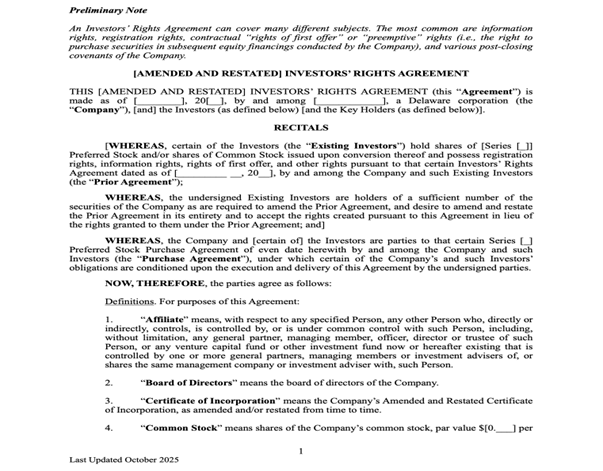
- Venture capital rounds: Priced equity with preferred stock. The NVCA provides model legal docs and explanations. See below as an example:
- Crowdfunding: Regulation Crowdfunding (Reg CF) or Reg A+ can open access to many small investors, but it adds ongoing disclosure duties. See the SEC’s overview.
Legal prep as you raise:
- Clean cap table and proper board consents – tools like Carta explain cap table basics
- Securities compliance – use applicable exemptions and make required filings (like Form D in the U.S.)
- IP and compliance diligence readiness – have your docs organized before investors ask
- Founder vesting and 83(b) elections – set these in place
-
Employment law and employee agreements
Hiring multiplies legal details fast. Even early on, get the basics right. Legal record-keeping is a must!
Learn from Andrew Scheidt, General Manager at Central Air Heating, Cooling & Plumbing, who legally complies with employment laws. He has seen the damage employment law violations cause.
“Misclassifying employees as contractors remains one of the biggest legal risks for startups,” Scheidt shares. “The gig economy blurred lines, but the IRS and state agencies enforce strict standards. Proper classification protects both your company and your workers.”
Points to cover:
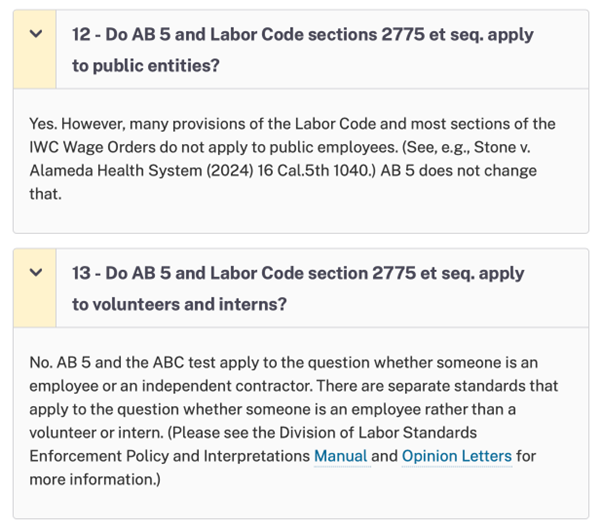
- Classification: Know the federal and state tests for contractors vs employees. California’s ABC test is strict; the Department of Industrial Relations outlines it under AB 5 on its site.
- Offer letters and IP assignment: Every hire should sign confidentiality and invention assignment agreements. Spell out at-will status where applicable.
- Wages and overtime: Track hours for non-exempt workers and follow local minimum wage rules.
- Equity grants: Use proper plan docs and follow securities laws. Communicate vesting and exercise windows clearly.
- Remote teams: Register to do business and withhold taxes. Likewise, secure workers’ comp where your people actually work.
- Non-competes and post-employment restrictions: Enforceability varies by state. California bans most employee non-competes under Business and Professions Code 16600.
- Culture and compliance: Harassment prevention training, clear reporting channels, a lightweight handbook, and compliance policies go a long way toward preventing harassment.
-
Privacy policies and terms of service
Your privacy policy is a promise to users and a shield against liability. Clear language about data collection and sharing builds trust while meeting legal requirements. Generic templates won’t protect you, so customize them based on your actual practices.
For instance, TRT online platforms that offer consultations and prescriptions should clearly explain what health data they collect and why they need it. They should also be upfront about sharing data with payment providers and give users a simple way to access or delete their information. Their terms should set clear usage rules, protect their content, and limit liability.
Your privacy policy:
- Explain what you collect, why, and how long you keep it.
- Describe sharing with service providers and offer opt-outs.
- Tell users how to exercise their rights (access, deletion, correction, etc.).
- Include a contact method and effective date.
- Reflect your actual product behavior (engineering and legal should compare notes before publishing).
Your terms of service:
- Acceptable use rules and content standards
- Ownership of content and IP
- Liability and disclaim warranties
- Dispute resolution and governing law
Final Note
A strong legal foundation won’t build your product. It, however, protects the time and money you pour into it. Remember, the goal is spotting risks early and making informed trade-offs. That way, you can stick to your vision while ultimately keeping the company safe enough to grow.
Read this blog to get more insights into starting a tech business. Better yet, sign up for The Start newsletter today!
Image by Drazen Zigic on Magnific