
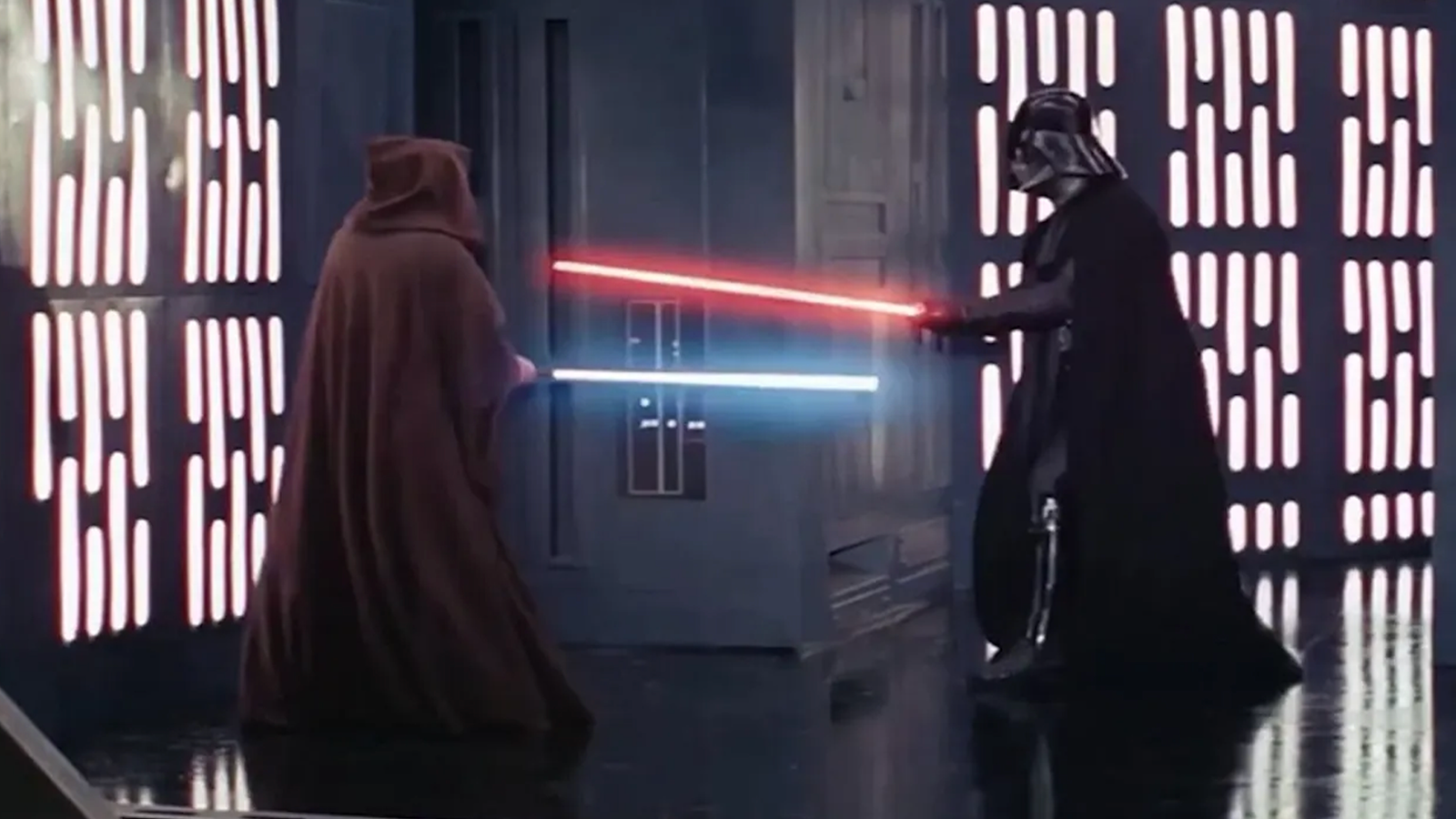
For millions of Star Wars fans, Obi-Wan Kenobi represents wisdom, calm, and the moral center of the original trilogy. He is the mentor archetype perfected. Part samurai master, part space wizard, part philosophical guide leading Luke Skywalker toward his destiny. Without him, Star Wars simply would not feel the same. Ironically, the man who made the character iconic never fully understood the obsession.
Sir Alec Guinness had a famously complicated relationship with the role that made him recognizable to generations of moviegoers. While Star Wars made him extraordinarily wealthy and introduced him to the largest audience of his career, it also became the role he spent decades trying to separate himself from. But the real story is not just that Guinness disliked Star Wars, it is why his presence in the film was so important in the first place. Because without Guinness, Star Wars might not have worked the way it did.
Guinness Helped Make Star Wars Feel Legitimate

When Star Wars released in 1977, it was far from guaranteed to become the cultural phenomenon it is today. Science fiction was not widely considered prestige filmmaking, and the genre often struggled to be taken seriously aside from a few exceptions. George Lucas understood this, which is part of why casting Guinness mattered so much. Guinness was an Academy Award winner for The Bridge on the River Kwai, known for serious dramatic work and classical stage performances. His presence alone signaled that Star Wars was trying to be more than just spectacle. More importantly, he treated the role with complete sincerity.
Rather than leaning into the pulpy nature of the material, Guinness approached Obi-Wan like a classical mentor figure. He delivered exposition about the Force and the Jedi with the quiet confidence of someone discussing philosophy rather than fantasy. His performance gives the impression that this galaxy has a real history instead of just invented lore. That choice helped audiences accept the film’s mythology. It is easy to imagine a version of Star Wars where Obi-Wan feels campy or overly theatrical. In the wrong hands, the character could have felt like a stock fantasy wizard. Guinness instead gave him restraint, sadness, and a sense of lived experience. He made Obi-Wan feel like someone who had already lived through a lost golden age. That emotional grounding helped make the entire story feel more real.

The 20 Most Powerful Jedi in Star Wars, Ranked
“May the Force be with you.”
Guinness’ Performance Grounded the Film’s Biggest Ideas
One of Guinness’ greatest contributions to Star Wars is how he handles the film’s most difficult material. Much of A New Hope depends on the audience accepting abstract ideas like the Force, the fall of the Jedi, and the moral battle between light and dark. Guinness makes those ideas believable simply through how seriously he takes them. The calm conviction in his delivery gives the idea emotional credibility. It turns what could have been technobabble into something closer to mythology.
His famous sacrifice on the Death Star works for the same reason. Guinness plays the moment with quiet acceptance rather than dramatic spectacle. Obi-Wan does not die like an action hero, he dies like someone fulfilling a purpose he has already accepted. That performance choice reinforces the idea that Star Wars is operating on mythic storytelling rules rather than simple adventure logic. Without that tone, the moment risks feeling confusing or anticlimactic. Instead, it becomes one of the most important turning points in the trilogy. It also helped establish one of the franchise’s most important storytelling ideas. In Star Wars, victory does not always come from power. Sometimes it comes from belief and sacrifice. Guinness communicates that theme through performance more than dialogue. That may be his most important contribution to the film.
Guinness Never Loved What Obi-Wan Became

Despite how essential his performance was, Guinness never fully embraced the role. Unlike many actors who later grow tired of their most famous characters, Guinness had doubts from the beginning. He reportedly struggled with some of the dialogue and was unsure how the film would be received. While he respected Lucas’ ambition, he did not share the same excitement for the genre. His decision to join the film was partly practical. His contract included a percentage of the film’s backend profits, estimated at around 2.25 percent, which ultimately earned him millions as Star Wars became a global success.
Financially, it was one of the smartest decisions he ever made. Artistically, it was more complicated. Guinness spent decades building a reputation as a transformative actor known for his range. After Star Wars, he increasingly found himself defined by a single role. In his memoir A Positively Final Appearance, he recalled throwing away Obi-Wan fan mail without reading it. One frequently repeated story describes him agreeing to sign an autograph for a young fan only if the boy promised to stop watching Star Wars. These stories may sound harsh, but they reflect a real fear: Guinness worried that his most popular role would overshadow the rest of his career. In some ways, he was right. But there is also a deep irony here. The qualities Guinness valued most as an actor are exactly what made Obi-Wan so beloved. His restraint, discipline, and seriousness helped elevate the film beyond simple genre entertainment. His commitment to treating the story seriously is what helped make it timeless.
Whether he liked it or not, he became part of cinematic mythology through Obi-Wan, and in the end, that may be the clearest measure of his impact. Guinness did not just play Obi-Wan Kenobi: he helped convince audiences that Star Wars was worth believing in, even if he never fully understood why they believed in it so much.
- Created by
-
George Lucas
- First TV Show
-
Star Wars The Clone Wars
- Latest TV Show
-
The Acolyte