

Seed funding is the first outside capital your startup raises. You use it to build your minimal viable product (MVP) and test your business idea from the get-go. You also need it to build your first team and find your product-market fit.
Seed rounds come after bootstrapping and before a formal Series A. Most founders start by self-funding. Then, they raise a seed round to prove traction and prepare for larger rounds.
The journey looks different for everyone, but the pattern is similar. You build something people want and show early customer interest. Then, raise money to accelerate your business growth.
This page serves as your practical guide to securing seed funding for your startup in 2026. Read on to learn how to financially keep your new business up and running this year.
The Seed Funding Landscape
Seeking financing is a key part of a startup’s financial playbook. Seed funding is one of the most common ways to fund a new business. However, the seed ecosystem mixes different investor types and deal structures.
Key players to consider:
- Angel investors (often former founders or operators)
- Seed and micro-VC (venture capital) firms
- Accelerator programs
- Family offices
- Corporate venture arms that write smaller checks early
Common instruments to leverage:
- Straight equity – priced rounds
- Convertible notes – debt that converts to equity later
- SAFEs – simple agreement for future equity
According to the PitchBook-NVCA Venture Monitor, deal counts cooled in 2023 at almost $175 billion. This, while investors became more selective. Seed capital continued to flow to teams with strong evidence of demand. Even with fewer deals.

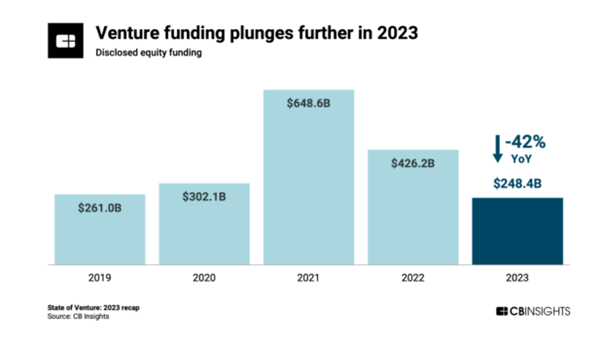
Globally, venture totals dropped from $426.2 billion in 2022 to $248.4 billion in 2023. It’s a reset that pushed founders to show more proof earlier in the journey.
How To Raise Seed Funding for Your Startup
Raising seed funding takes more than a great idea. It’s about proper planning and preparation.
This entails understanding the role of alternative funding in startups when exploring different capital-raising paths.
Here’s how to get seed funds for your new business:
-
Get ready to raise money
Get organized before you ask anyone for money. Why? This helps save time and build trust.
Investors look for a few core signals:
- A sharp founder (market fit story)
- A real problem and a clear customer
- Early signs of demand, even if small
- A plan for how the money turns today’s progress into tomorrow’s milestones
Jeffrey Zhou, CEO and Founder of Fig Loans, has seen seed funding as an alternative to traditional funding. However, he’s noticed that founders who deeply understand their customers secure funding faster.
Zhou says, “Investors want to see founders who know their market inside and out. Show us you’ve talked to potential customers and understand their pain points. Demonstrate how you can articulate why your solution matters to them. That level of insight builds confidence in your ability to execute.”
A solid business plan helps you clarify the path. Even if it changes later. The U.S. Small Business Administration provides a practical template for writing your plan. However, keep it focused:
- Who you serve
- What they need
- How you’ll reach them
- What success looks like by stage

Your pitch deck should be simple, honest, specific, and convincing. Present your problem and solutions, factoring in:
- Market size
- Industry traction
- Business model
- Go-to-market
- Competition
- Team
-
Look for seed investors
You’ll find capital in more places than you might think. Especially when you start with people, not just platforms. Here are some options:
- Networking events and incubators are good starting points. To begin, look for local meetups and university programs. Likewise, consider national accelerators, such as Techstars. Lastly, Startup Grind events are great for meeting founders and friendly angels, having reached over 5 million entrepreneurs across 125 countries.

- Online platforms and crowdfunding open up more options. For one, explore AngelList for investor discovery or equity crowdfunding on Republic. Also, consider SeedInvest and Wefunder. Each has different requirements and audiences, so read the fine print.
- Individual outreach matters, too. Warm introductions beat cold emails, but both can work. For one, use LinkedIn thoughtfully. Likewise, ask customers, advisors, fellow founders, and other key stakeholders for intros. Keep it short and specific by being respectful of the investors’ time.

We earn a commission if you make a purchase, at no additional cost to you.
-
Reach out to investors
Seed funding requires fundraising and investment strategies for modern entrepreneurs. To begin, outreach is a skill you can practice. Start small and learn from early conversations. Then, refine your pitch as you go.
Here’s how:
- Map your target list by investor fit. Factor in stage, sector, geography, check size, and portfolio. Read their blogs and recent deals. When you reach out, share your one-liner, the core insight about your customer, a quick traction snapshot, and why you’re a match for their thesis. Personalize it so they know you did your homework.
- Tailor the pitch to your target investor. Angels may care more about your story and customer pain. Seed funds often want details on go-to-market and unit economics. Corporate investors want to understand strategic alignment and risk. Heed our advice: adjust the emphasis, not the truth.
Learn from Wade O’Shea, Founder of BusCharter.com.au. He credits his successful raise to building genuine connections long before needing capital.
O’Shea explains, “Start building relationships with investors when you don’t need money. Attend events and ask for advice. More importantly, keep them updated on your progress. When you’re ready to raise, you’ll be pitching to people who already know and believe in your journey.”
-
Meet halfway and seal the deal
When you get a yes (or even maybe), know the basics. That way, you can protect the future you’re building.
Key terms to understand:
- Valuation and ownership – How much of the company you’re selling now; what that implies for future rounds
- Board composition – Who sits at the table and how decisions get made
- Pro rata rights – The right for investors to participate in future rounds
- Liquidation preferences – Who gets paid first and how much in an exit
- Anti-dilution provisions – How ownership adjusts if you raise at a lower valuation later
- For SAFEs/notes – Valuation cap, discount rate, conversion mechanics
Take it from Conrad Wang, Managing Director at EnableU. He has witnessed how founders navigate seed funding agreements. He sees preparation as crucial for favorable outcomes.
Wang shares, “Know what matters most to your startup’s future before you negotiate. Terms like board composition and liquidation preferences have long-term implications. Come to the table educated, and you’ll negotiate from a position of strength.”
The message is clear: Negotiate with clarity on your must-haves and nice-to-haves.
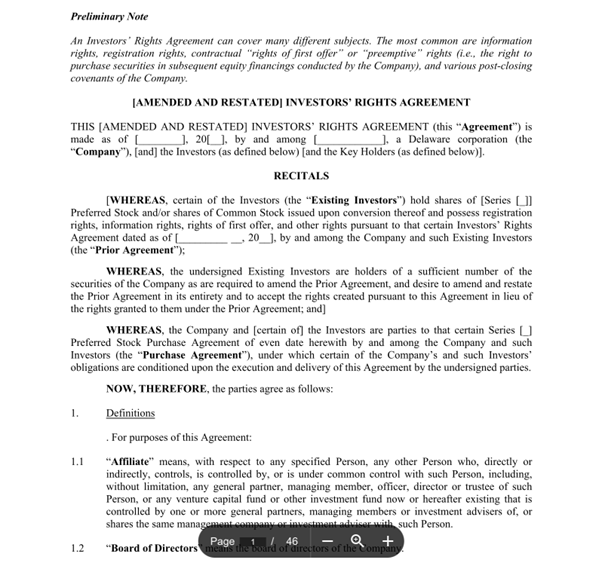
If you’re unsure? Pause and ask your counsel or an experienced founder. Standardized documents like the NVCA model legal documents, can help you understand market norms. Once you agree on terms, move quickly on diligence and keep your momentum.
-
Rise above challenges
It’s not easy to finance when your business is brand new. The good thing? Seed funding can make your dream startup come true. However, every raise has friction.
How to handle the most common obstacles:
- Focus on the traction you can create without money. That is if you’re hearing “too early.” Pilot programs, LOIs, waitlists, open-source repos with stars, and even a scrappy landing page that converts are all signals. If investors don’t understand the problem, sharpen your customer story.
- Sometimes the market is choppy, and it’s not you. In those moments, extend your runway and tighten your focus. To reduce burn, prioritize features that move revenue or retention and revisit your raise when your story is stronger.
- Don’t underestimate small wins. One thoughtful angel can lead to three more intros. One paying customer can unlock a design partner with a bigger brand. Remember, progress attracts progress.
-
Kick off your startup
The seed money in the bank is the start of a new relationship. Not the end.
Key steps to follow:
- Set a simple update cadence and stick to it. Many founders send a monthly email with key metrics, highlights, lowlights, and specific queries.
- Invite your investors to help where they’re strongest. Think introductions, hiring, pricing feedback, and/or press. When things get tough, tell them early. Most would rather help you avoid a wall than hear about it after you hit it.
Mike Miller, General Manager at Elkhorn Heating, Air Conditioning, Plumbing & Electrical, has once sought seed funding. He believes that keeping investors informed and engaged leads to valuable support beyond capital.
Miller notes, “Send monthly updates to your investors, whether the news is good or challenging. Share your wins and struggles, while specifically asking for help. Active investors can open doors and make introductions. They provide guidance that’s often more valuable than their initial check.”
Final Words
Seed funding is one of the best ways to launch your startup. To get started, talk to customers, ship something simple, collect proof, and share your progress. The better you prepare, the less fundraising feels like a gate and more like the natural next step.
Networking happens wherever founders gather. Pick one event this week; send one outreach email; share one update. Remember, momentum starts small. Ultimately, you’ll be surprised at how you finally get funding from the right investors for your startup!
Image by freepik