
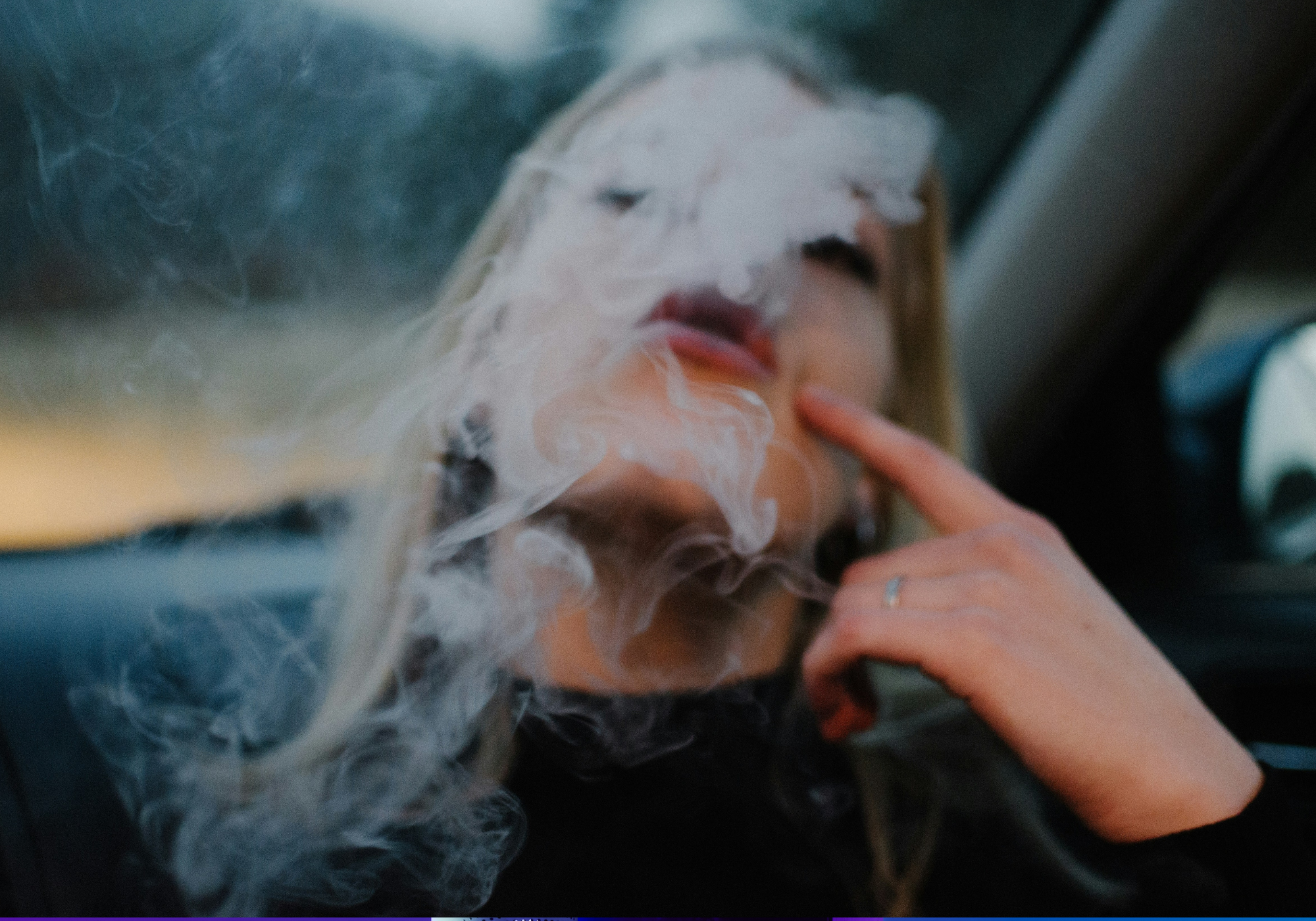
You might think of smoking as a lung issue, but your skin tells the story, too. Dallas dermatologist Elizabeth Houshmand, MD sees the effects in her practice regularly—and she says the damage starts earlier than most people expect.
“I’m hearing more about nicotine use, especially vaping, nicotine pouches and social or intermittent smoking,” she says. While traditional cigarette use has declined over the decades, Dr. Houshmand notes that newer forms of nicotine delivery are keeping exposure rates high. “From a dermatology perspective, I ask about all nicotine and smoke exposure—cigarettes, vaping, hookah and secondhand smoke—because the skin is very sensitive to oxidative stress and vascular changes.”
Ahead, Dr. Houshmand explains the skin changes she notices first, how nicotine and smoke accelerate visible aging and why quitting can still make a meaningful difference.
The First Skin Changes Dermatologists Notice in Smokers
When Dr. Houshmand sees a long-term smoker, she says there’s one telltale sign she spots immediately. “I often notice a duller, more sallow complexion and a loss of healthy glow. Long-term smokers may have skin that looks less vibrant because smoking reduces microcirculation, meaning less oxygen and fewer nutrients are reaching the skin.” Over time, she adds, “I also notice more fine lines, deeper wrinkles, uneven tone, crepey texture and slower healing. The changes are often most visible around the mouth, eyes and cheeks.”
Where Smoking Ranks Among Skin-Aging Factors
Sun exposure remains the top external driver of premature aging, but Dr. Houshmand puts smoking right behind it. “Diet, sleep, alcohol, stress and pollution all matter, but smoking is uniquely damaging because it combines oxidative stress, inflammation, collagen breakdown, impaired blood flow and delayed wound healing. In other words, it affects the skin from multiple angles at once.”
How Smoking Damages Skin Cells and Collagen
The science behind smoking-related skin damage is striking. “Smoking damages the skin in several ways,” she explains. “It increases free radicals, which create oxidative stress and injure skin cells. It also interferes with collagen and elastin, the proteins that keep skin firm, smooth and resilient.” She adds that smoking can impair collagen production and increase matrix metalloproteinases, enzymes that actively break down the skin’s support structure.
Blood flow is another major concern. “Nicotine and other smoke-related chemicals constrict blood vessels, reducing blood flow to the skin. That means less oxygen, fewer nutrients and slower repair, which can translate into dullness, poor wound healing, more fragile skin and accelerated wrinkles.”
Smoking Can Affect Skin at a Young Age
One of the most sobering points Dr. Houshmand makes is how early—and how quickly—the damage begins. “Even in younger patients, smoking can make the skin look dehydrated, dull, uneven or inflamed.” While deeper wrinkles and laxity develop over the years, she says the process starts much sooner than most realize. “Young smokers may not have severe wrinkles yet, but their skin quality can look less healthy compared with non-smokers of the same age.”
What About Secondhand Smoke?
Yes, being around smoke—not just inhaling it directly—carries real risks, too. “Secondhand smoke still exposes the skin and body to oxidative chemicals and inflammatory particles,” Dr. Houshmand explains. “It can contribute to irritation, oxidative stress and impaired skin barrier function.” While direct smoking causes the most concentrated damage, she advises patients to avoid both whenever possible.
What Is Smoker’s Face?
Dermatologists have a term for the pattern of aging they see in long-term smokers, and Dr. Houshmand describes it simply. The hallmarks, she says, include a gray, yellow or sallow tone; dullness and loss of radiance; fine lines around the lips; more pronounced crow’s feet; crepey texture; hollowing or loss of facial fullness and deeper wrinkles around the mouth and cheeks. “It is not just about lines, it is the overall change in skin quality, color, texture and resilience.”
The Good News: Quitting Helps
If there’s a silver lining, it’s that the skin can begin to recover after nicotine and smoke exposure stops. “Quitting smoking is one of the best things someone can do for their skin and overall health,” Dr. Houshmand says. “Some improvements can happen relatively quickly: circulation improves, inflammation decreases and the skin may start to look brighter and healthier over weeks to months.”
Deeper damage takes longer to address. “Collagen remodeling takes longer. Over several months to a year, patients may notice improved tone, better healing and less dullness. However, deeper etched wrinkles, significant elastin damage and long-standing volume loss may not fully reverse on their own.”
Still, Dr. Houshmand is clear that it’s never too late to quit. “Quitting stops ongoing injury. The skin becomes much more responsive to good skin care, sun protection, procedures and collagen-stimulating treatments. It is never too late for the skin to improve, but the earlier you stop, the more you preserve—and your dermatologist can certainly help with biostimulators, chemical peels and a customized skin-care program.”