
Location: Hamadan, Iran
Belief: Judaism
Era: 13th Century CE
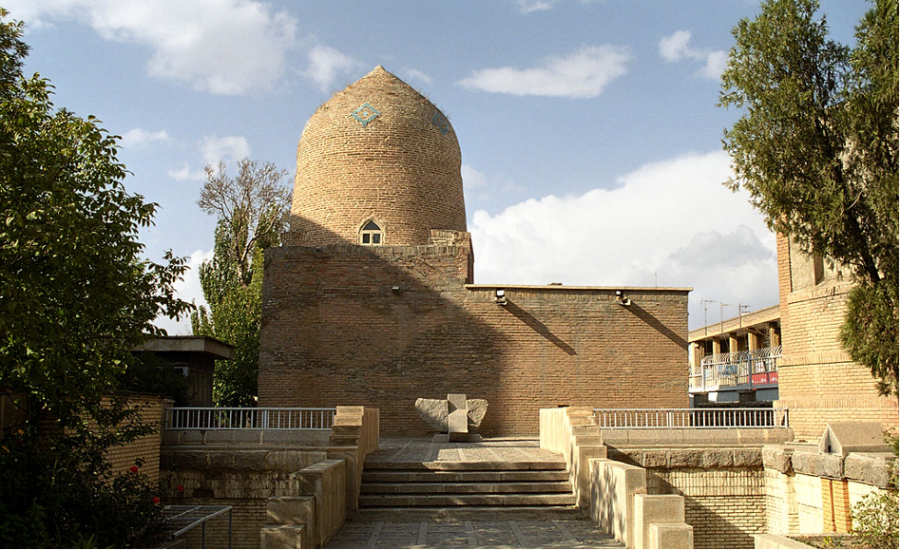
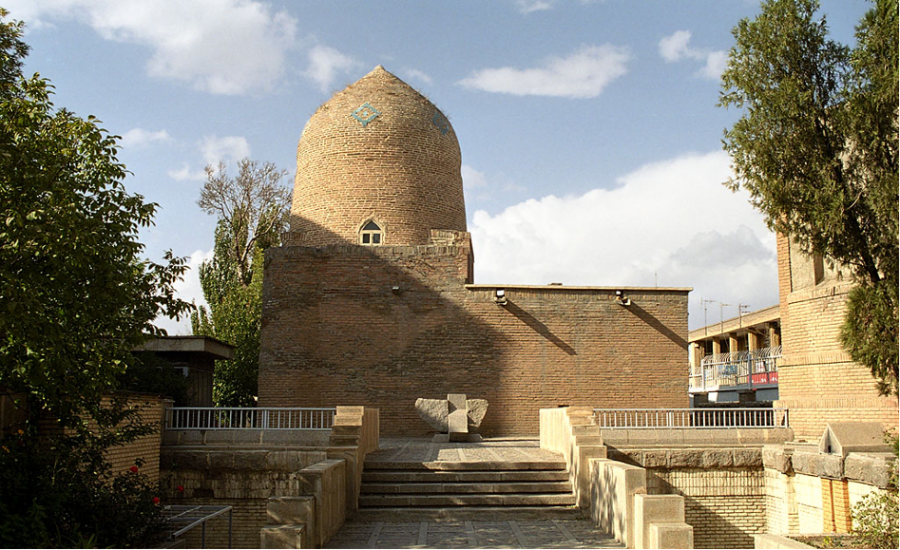
The Shrine of Esther and Mordechai is a famous Jewish pilgrimage site just off Eman Khomeini Square in the city of Hamadan in modern Iran. The exact dating is unknown. Some date it to the 13th century under the reign of Mongol ruler Arghun Khan.
The Jewish community has existed in Iran for thousands of years since they were taken there in exile by the Persian King Nebuchadnezzar around 587 BCE, but it was also Persian King Cyrus (559 – 530 BCE) who gave them freedom to return to Jerusalem and rebuild the Temple in his famous decree (Ezra 1:2-4) which was completed under the patronage of King Darius the Great. Cyrus was known for his religious tolerance and may be the character Dhul Qarnain, as mentioned in the Holy Qur’an.
According to Jewish history, Esther was the concubine of the Persian King and with the help of her cousin Mordechai, organised for royal protection of the Jewish community in Persia. It is the saving of the Jewish community by Queen Esther from the plots of the official Haman that is celebrated in the Jewish Feast of Purim in March every year.
After the Islamic conquest of Persia, the Jewish community, alongside Christians and Zoroastrians, were protected as “people of the book” and allowed to freely practice their faith, have their own schools and community centres at a time when Jews were facing growing persecution in Europe.
There are still estimated to be around 100 synagogues in Iran; many of them in Tehran, Shiraz, Isfahan, Yazd and Kermanshah.
The Shrine in Hamadan, among the Jewish cemetery, has a 50-foot high dome and contains many relics, including the tombs of Esther and Mordechai. It is a pilgrimage site for the Jewish community, and some of their members still live in the city near the Shrine.
References:
- Loveday. H., Wannell, B., Baumer, C. & Omrani, B., (2005), Iran – Persia Ancient and Modern, Odyssey Books and Guides, Leicester, UK
- Shanks, H., (1989), Ancient Israel – A short history from Abraham to the Roman destruction of the Temple, SPCK, Biblical Archaeological Society, Washington DC, USA