
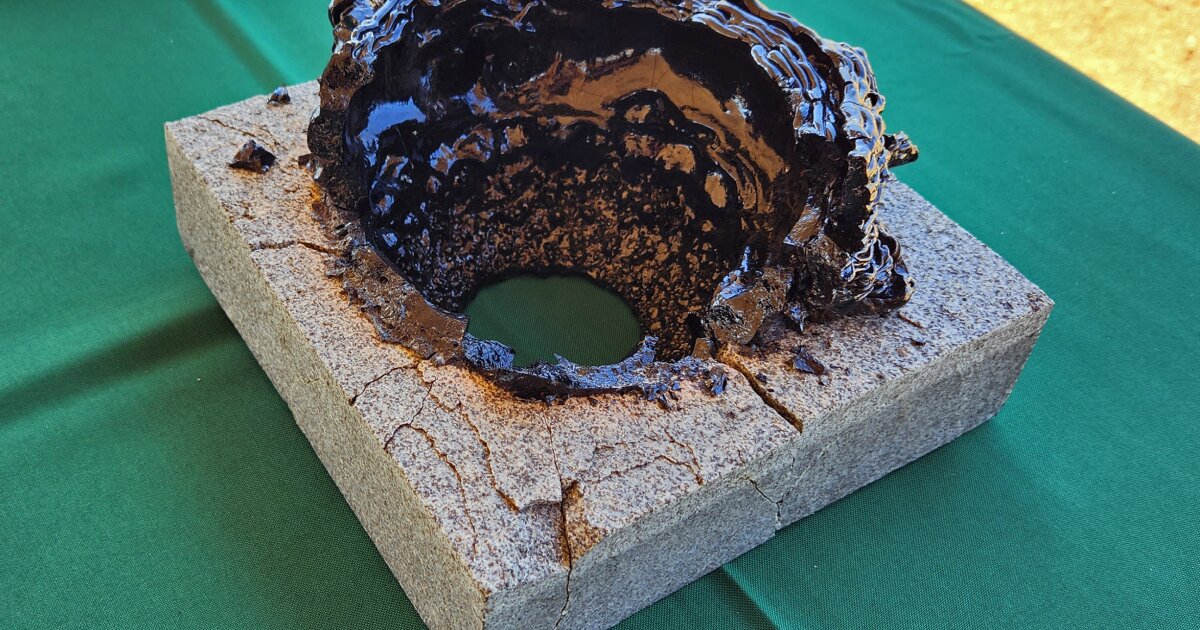
Quaise Energy isn’t chasing the kind of geothermal energy where Mother Earth was already kind enough to put hot rocks near the surface. Quaise is trying to make geothermal work almost anywhere on the planet, by drilling deeper than we ever have before … with masers.
If you’re unfamiliar with masers (Microwave Amplification by Stimulated Emission of Radiation), think of them as the microwave-frequency equivalent of lasers. Instead of visible light, they generate tightly focused beams of high-frequency electromagnetic radiation. In Quaise’s case, that means 105-GHz millimeter waves powerful enough to ablate, melt, and even vaporize rock without physically touching it.
In most cases outside of active volcanic zones like Iceland, truly “superhot geothermal” rock at 752 °F (400 °C) is pretty far below the Earth’s surface. The general rule of thumb is a geothermal gradient of about 77 °F per mile (25 °C per km), meaning 9-10 or more miles (14-16 km) to hit that sweet spot for superhot rock.
Conventional geothermal typically works around 302–392 °F (150–200 °C). With superhot temperatures, water carries much more usable heat and circulates more efficiently, and scientists estimate superhot systems could produce 5-10 times more energy per well.
JS @ New Atlas
For example, Iceland’s Deep Drilling Project Krafla borehole hit 846 °F (452 °C) superheated steam at around 2,059 psi (142 bar). It was estimated to have a production potential of 36 MWe, which would be about 10x that of conventional geothermal. “Estimated” because irreparable equipment failures led to the plugging of the borehole and nothing has become of it … yet.
And Krafla hadn’t even reached supercritical water temperatures yet, where temps would need to reach 705 °F (374 °C) and about 3,200 psi (221 bar) of pressure, which is on Quaise’s to-do list as well.
Supercriticality is a strange phenomenon where temperature and pressure change the state of water, so it acts as neither a gas nor a liquid, but has liquid-like density and the flow characteristics of a gas, making it especially energy dense and fast flowing.
But that’s for a later date. For now, Quaise is focusing on its first-ever geothermal plant, Project Obsidian, which is set to go online in 2030. Phase 1 construction of the 50-MW plant is already underway.
JS @ New Atlas
It’s situated just south of Bend, Oregon. What makes the area special is the 75-mile-long (121-km), 27-mile-wide (43-km) active volcano that sits nearby, called Newberry Volcano. Geologists figure the volcano’s last eruption was around 1,300 years ago. Having personally been through there several times, it’s evident that it wasn’t all that long ago on the human timescale; old, hardened lava flows are visible in nearly every direction, still devoid of trees after more than a millennium.
Quaise considers this to be a Tier I site, the “easiest” tier, where geothermal activity is closest to the surface, making superhot rock more accessible.
To get its very first project off the gorund – the very first of its kind, in fact – Quaise’s target is the lower threshold of superhot geothermal, as high as 689 °F (365 °C), with an average temp of 599 °F (315 °C) at about three miles (4.8 km) deep. Quaise intends to be online by 2030, producing 50 MW of clean, renewable geothermal power ’round the clock.
JS @ New Atlas
Phase two plans to go even hotter with a second well system – as high as 779 °F (415 °C). No one has ever done that before.
“[599 °F average] is on the cusp of what is achievable today, so it’s lower technical risk,” says Quaise senior mechanical engineer Daniel W. Dichter. “With what we learn from that system, we’ll go to the hotter one, which is riskier. Most of our analysis, which is based on several models, was dedicated to trying to understand some of these uncertainties … If these first wells work the way we think they will, they will be on par with exceptionally productive oil and gas wells in terms of equivalent power output.”
And that’s pretty cool.
I’ve personally been to two Quaise demos over the last year, and more recently, I visited Quaise HQ for a personal tour of the facility where the millimeter-wave technology is being developed.
JS @ New Atlas
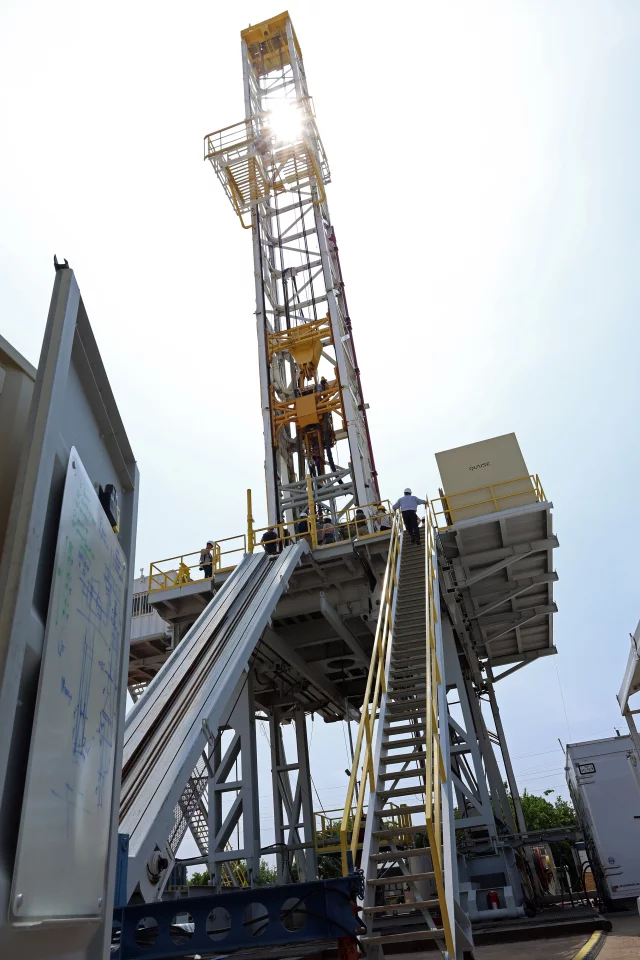
On May 21, 2025, I attended the demo at the Nabors facility in Houston, Texas. Quaise was using high-powered millimeter-waves – essentially the shorter-wavelength and higher-frequency cousin of the microwave in your kitchen – to vitrify rock, melting the borehole walls into a glass-like encasement using a 100-kW gyrotron mounted on a standard oil and gas Nabors F rig. While I was there, Quaise bored down to about 10 feet (3 m).
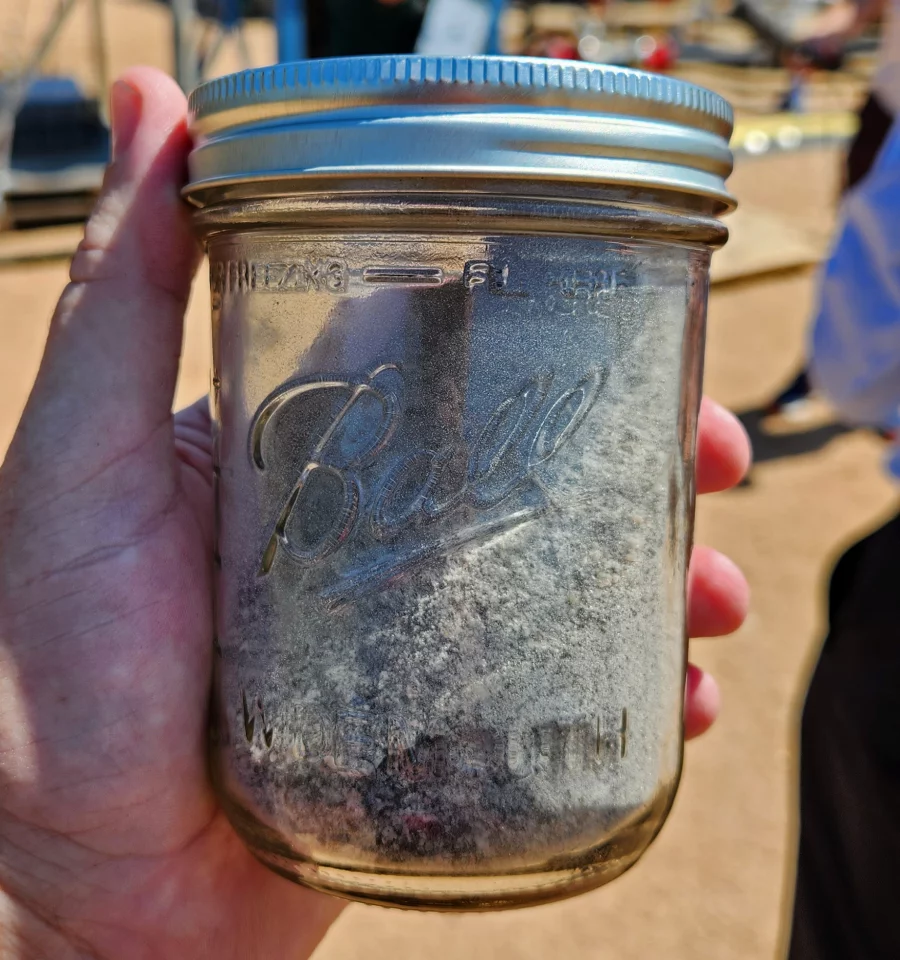
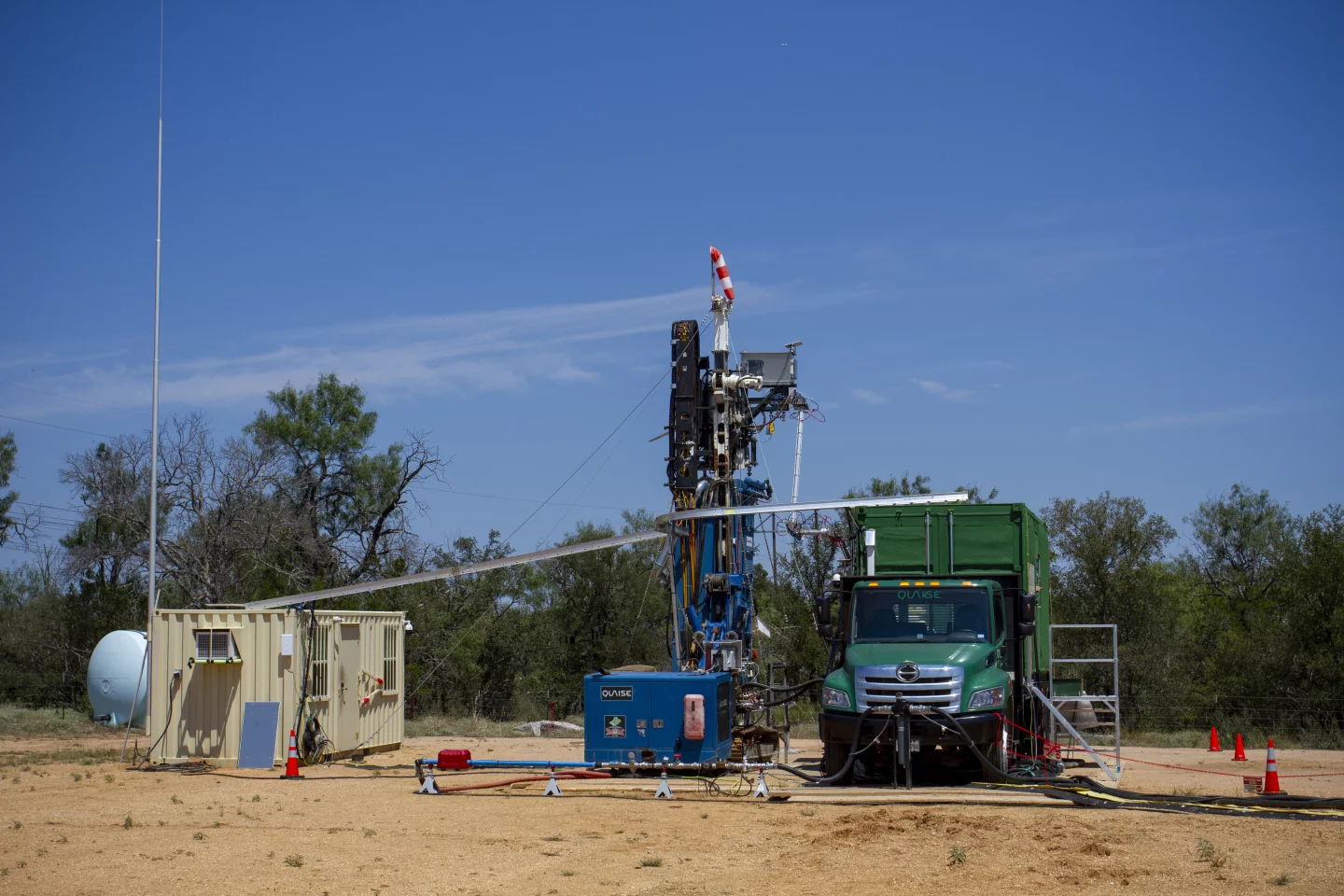
Just a few months later, on September 4, 2025, I attended a demo in Marble Falls, Texas, where the company had stuck its very mobile 100-kW gyrotron into a container on the back of a Hino truck, rather than an oil and gas rig. Quaise had also shifted tactics: instead of vitrifying the rock into glass, the team lowered the power just enough to ablate it – turning rock into dust while pumping high-pressure air into the hole to blow it out (capturing and filtering it all at the surface).
JS @ New Atlas
When I asked about the change, Quaise told me it’s much faster and more efficient. Turning the power down just a notch might seem like a minor adjustment, but it might be the biggest practical gain since the Nabors demo. While literally melting rock into glass is pretty awesome, you can’t argue the economics of speed and efficiency.
As this is mostly uncharted territory, the company is very much learning as it goes and improving the process along the way.
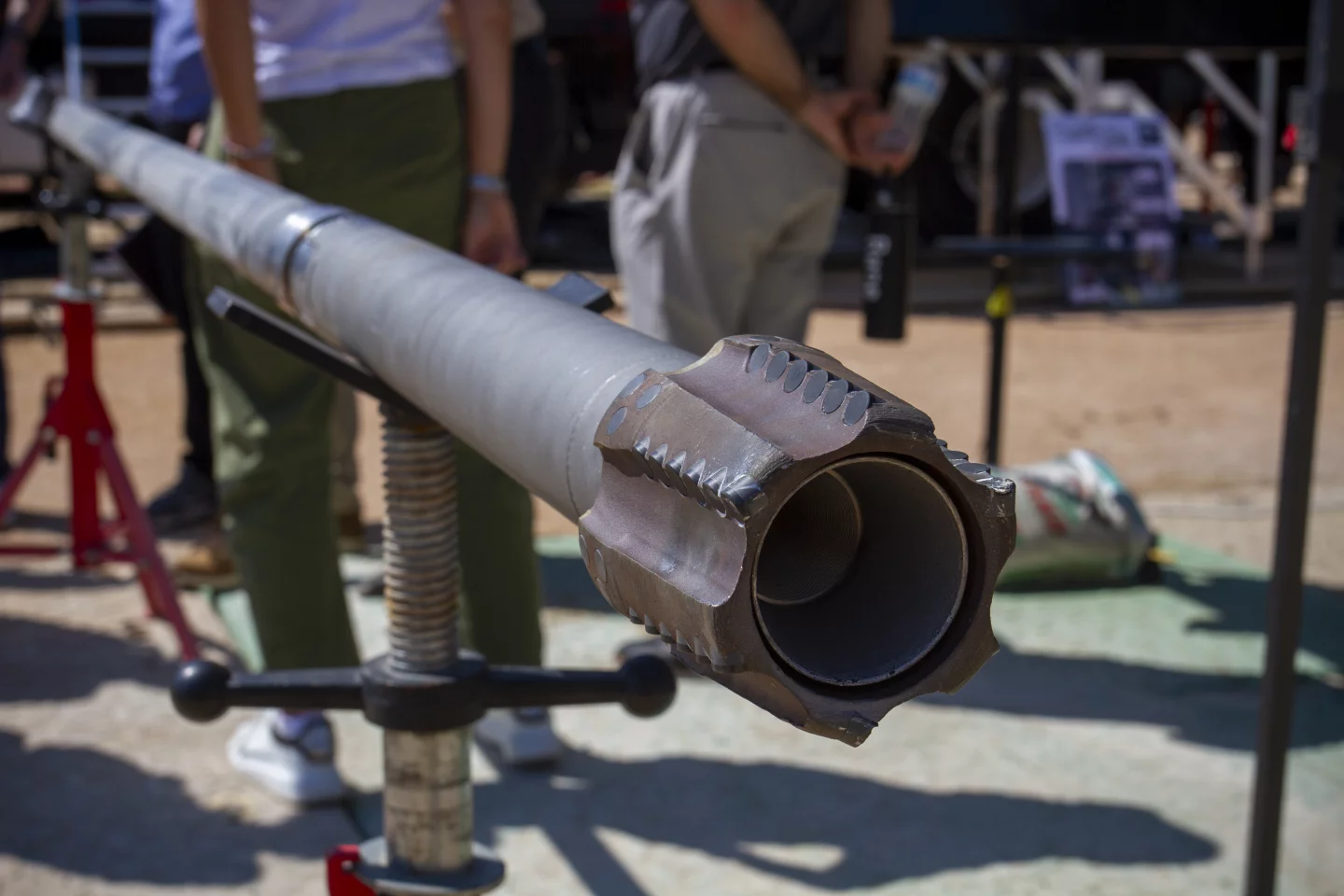
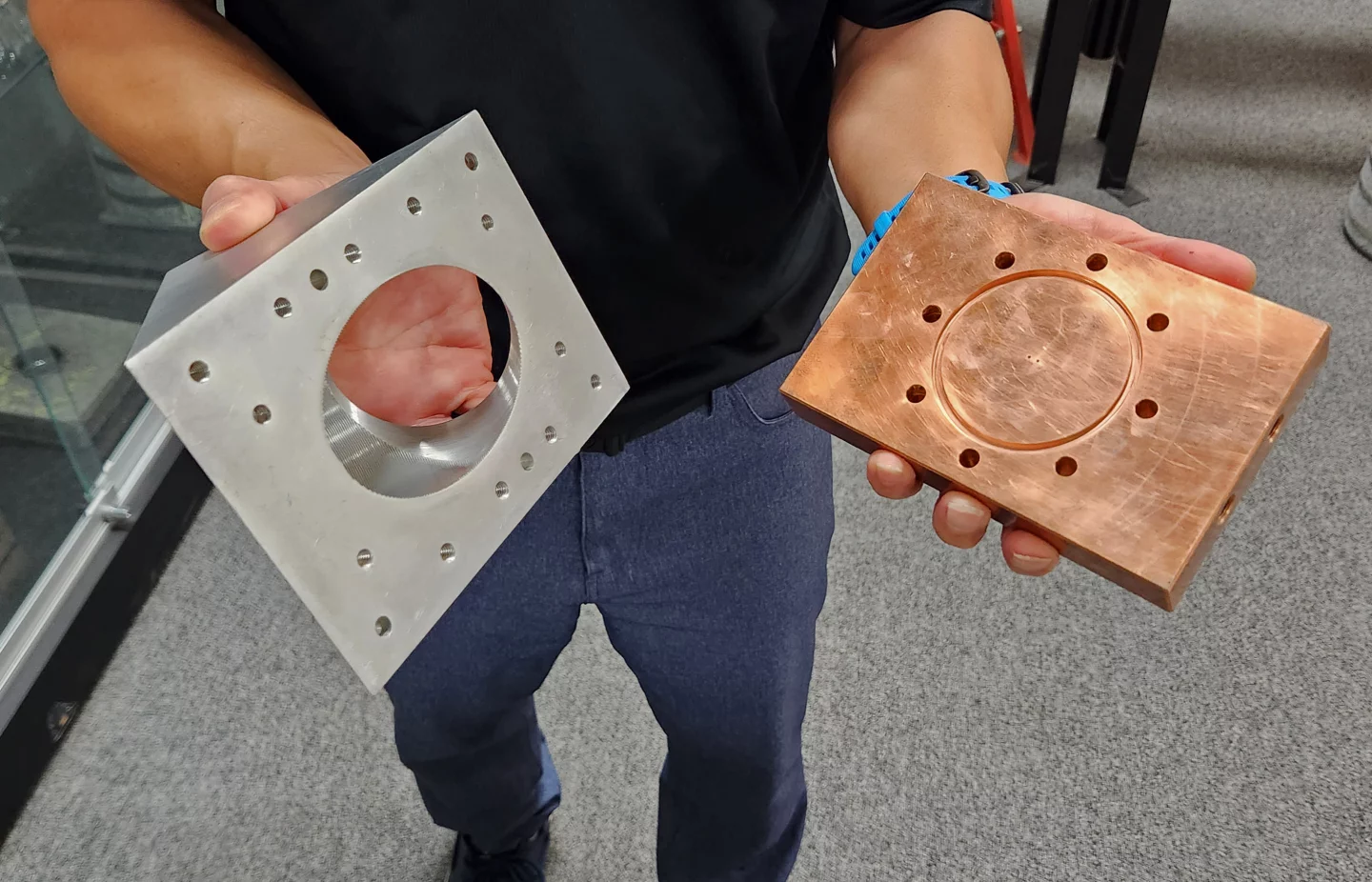
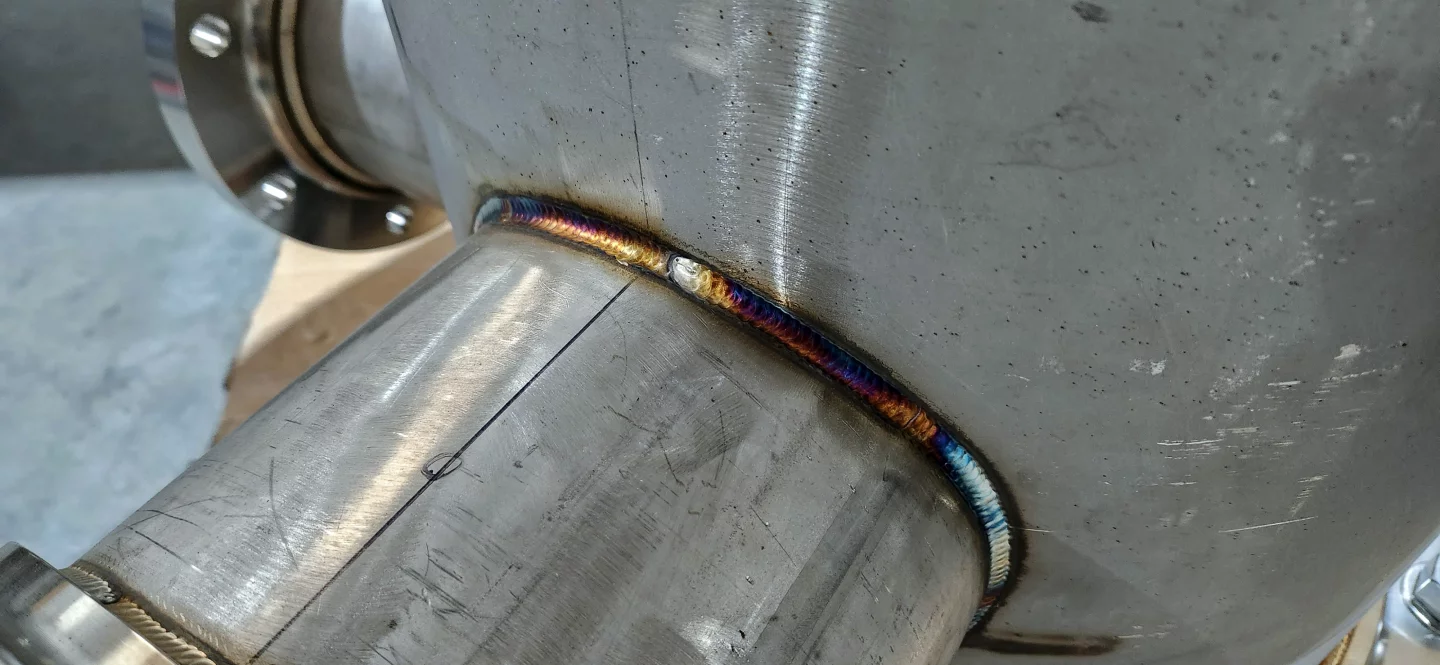
At the Marble Falls location, Quaise reached 387 ft (118 m) before stopping … and not because there was an issue with the dig, but simply that it ran out of the very expensive, and very custom, waveguide sections that would allow the company to go deeper. The waveguides are essentially hollowed-out metal tubes with a precisely machined internal corrugation, tuned to carry the 105-GHz mm-wave energy down to the “launcher” at the bottom of the hole. Quaise told me that it has since established a more reliable waveguide supply chain.
And for the record, that 387-ft-deep hole is, as far as we can tell, is the deepest borehole ever made using only mm-wave tech.
JS @ New Atlas
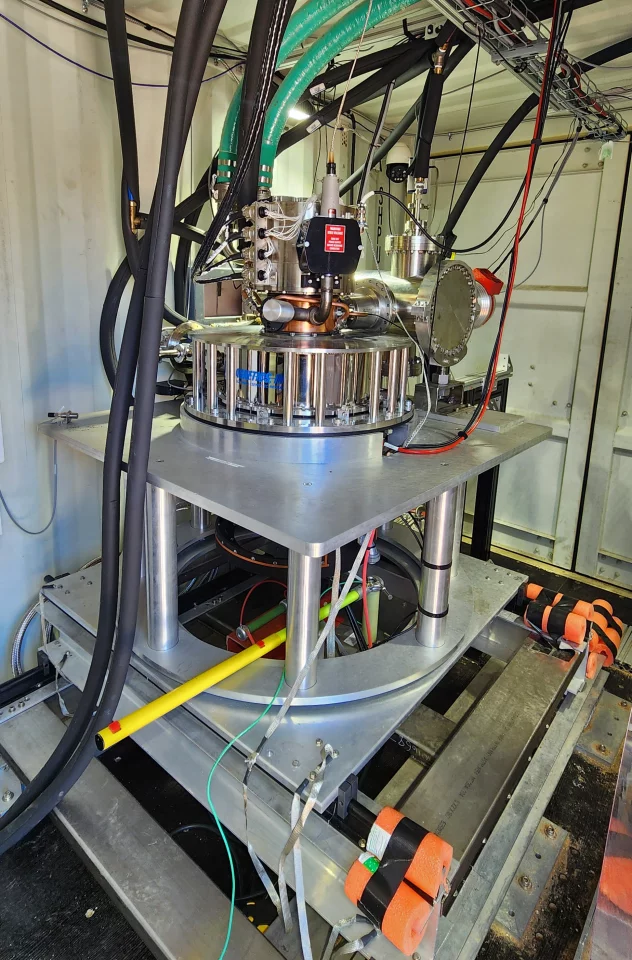
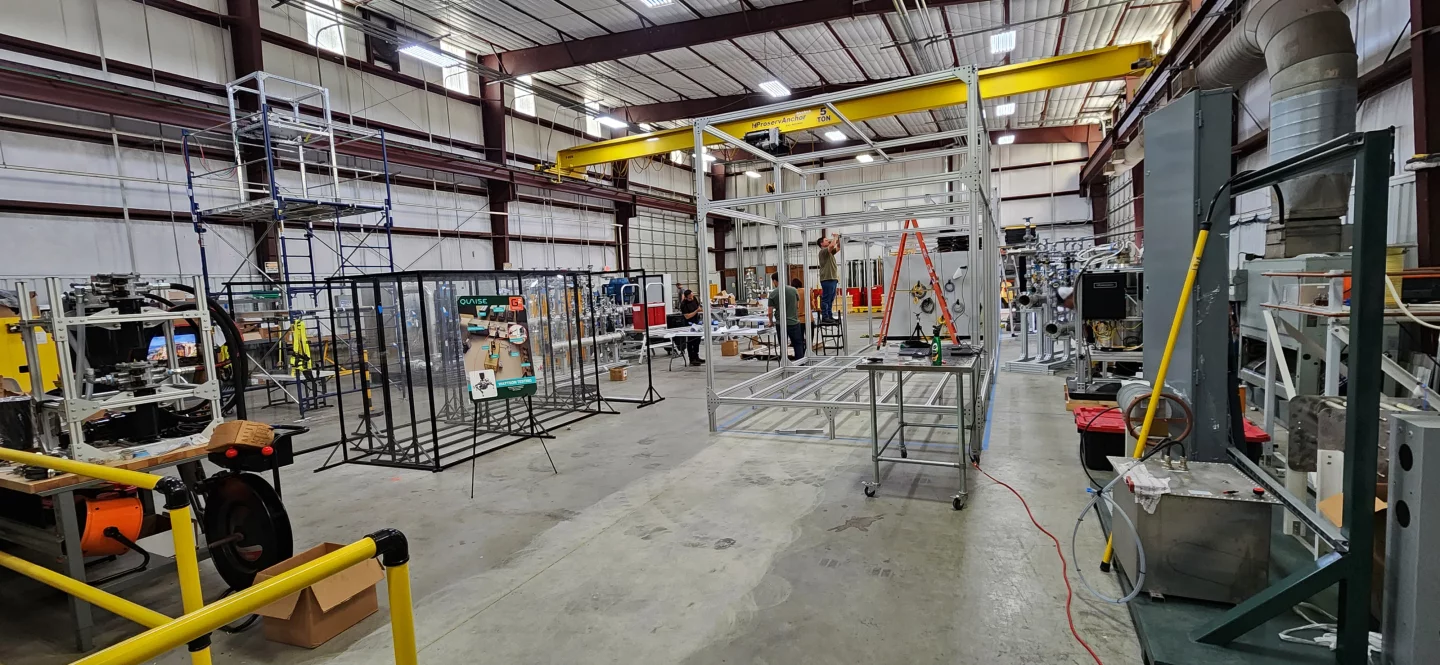
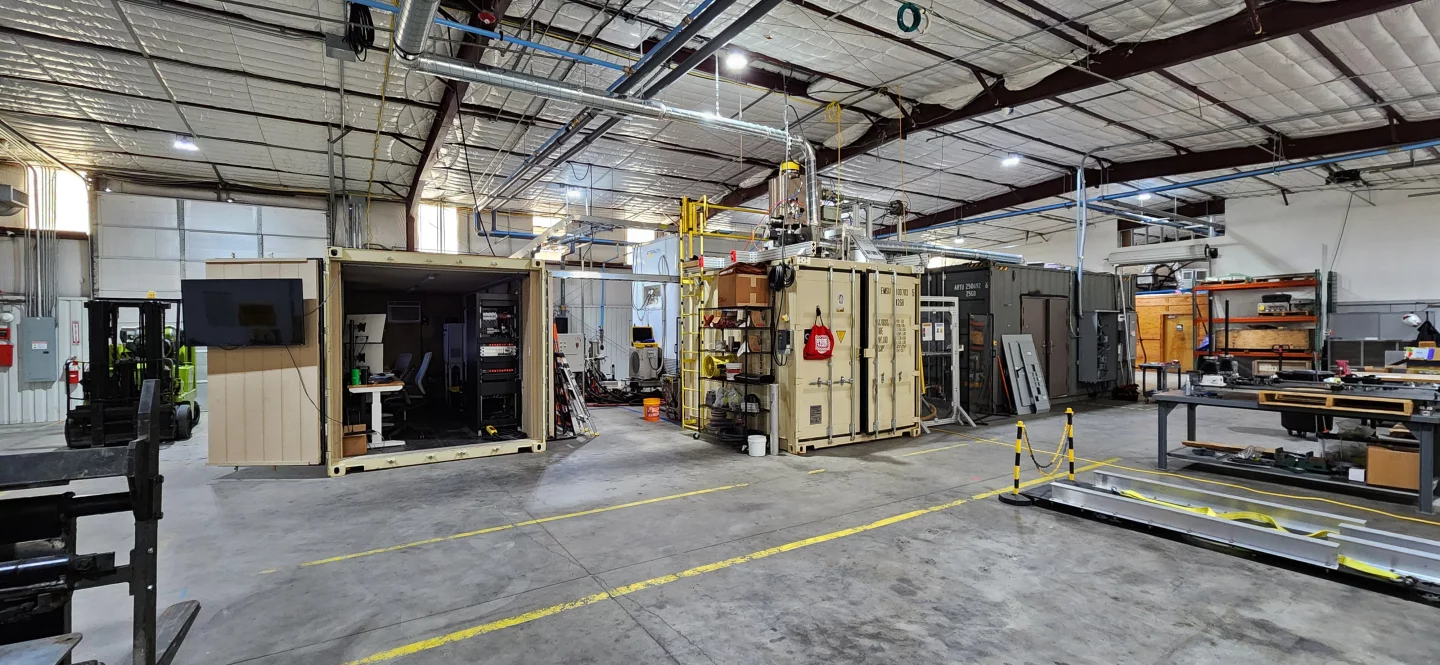
On April 2 of this year, Henry Phan, the Vice President of Engineering at Quaise, gave me a private tour of Quaise’s HQ facility in Houston, including the setup being built for the company’s incoming 1-MW gyrotron system. Like the 100-kW gyrotron, the new gyrotron will be packaged into a 40-ft connex box. While I was there, the team was building out a mock container inside the warehouse and arranging the hardware they had on hand inside it for a one-to-one transfer once the container and gyrotron arrives.
The power requirements for a 1-MW gyrotron are not for the faint of heart, nor are the efficiency numbers, at roughly 30%. Quaise says the 1-MW system will use three 1-MW generators once the beam source, cooling and supporting hardware are all accounted for.
JS @ New Atlas
During the tour, I noticed the roughly ~4 AWG DC cables running from one of the generators into one of the buildings powering a test gyrotron inside, and I made the insightful observation that the wires looked awfully small for 50,000 volts DC. Phan politely reminded me that high voltage means low current for the same power.
I facepalmed briefly, realizing what was coming next – most of my personal projects involve 12 V, or 24 V at most, dealing with upwards of 40 amps … but at 50,000 V, you’re in the neighborhood of a mere 2 or so amps before real-world losses and overhead. Nothing like mentioning Ohm’s law to the VP of Engineering to keep the ego properly in check. Thanks for not laughing at me, Henry, you’re a true gentleman!
JS @ New Atlas
Quaise plans to push the Marble Falls system much deeper and wider with the 1-MW gyrotron. The company is shooting for a 0.6-mile-deep (1-km) hole with an 8.5-in (215.9-mm) bore next year.
The long-term plan is to use a hybrid drilling approach: conventional rigs for the upper sections where conventional is “cheap and easy,” then bring in millimeter waves for the deeper basement rock where heat, hardness and pressure starts turning tungsten-carbide bits into melted crayons and broken dreams. And that’s exactly what Project Obsidian intends to do. The initial Oregon wells will be drilled conventionally, with gyrotrons making an appearance when wells start reaching temps of 689 °F (365 °C).
Quaise is also being careful about how it manages the risks involved. Project Obsidian’s first phase includes a confirmation well, which is expected to be operational later this year. The company will gather data on the rock’s physical properties, geochemistry, fluid behavior and how the rock can be fractured to let water flow through it.
JS @ New Atlas
No one at Quaise claims to have all the answers yet, but in just the last year, I’ve watched the approach change as the company has learned more. Superhot geothermal is essentially uncharted territory.
“We will probably make many adjustments,” Dichter said. “We’re not attempting to convey that we’ve solved all the problems, but that we see a lot of potential, and we see a pathway to a very useful [power]-generating asset.”
If Quaise can reliably reach hotter rock to bring up higher-energy fluid, it could move geothermal out of the low-temp bracket – which is great in and of itself, don’t get me wrong – and into a world of far more efficient power cycles … and almost anywhere on the planet. The difference between Organic Rankine Cycle and feeding a high-temperature steam system is the difference between “NEAT!” and serious grid-scale power plants. More heat per well means fewer wells, better output, and much stronger economics – after all, Quaise is an energy company, not a millimeter wave technology company.
The United States leads the world in terms of geothermal capacity at just shy of 4 GW, which accounts for only about 0.4% of the country’s total electricity generation. Global capacity sits around 17.1 GW, also making it roughly 0.3-0.4% of the global totals. An interesting factoid: Kenya only has around 890 MW of geothermal, but it supplies roughly 45% of the country’s total electricity.
JS @ New Atlas
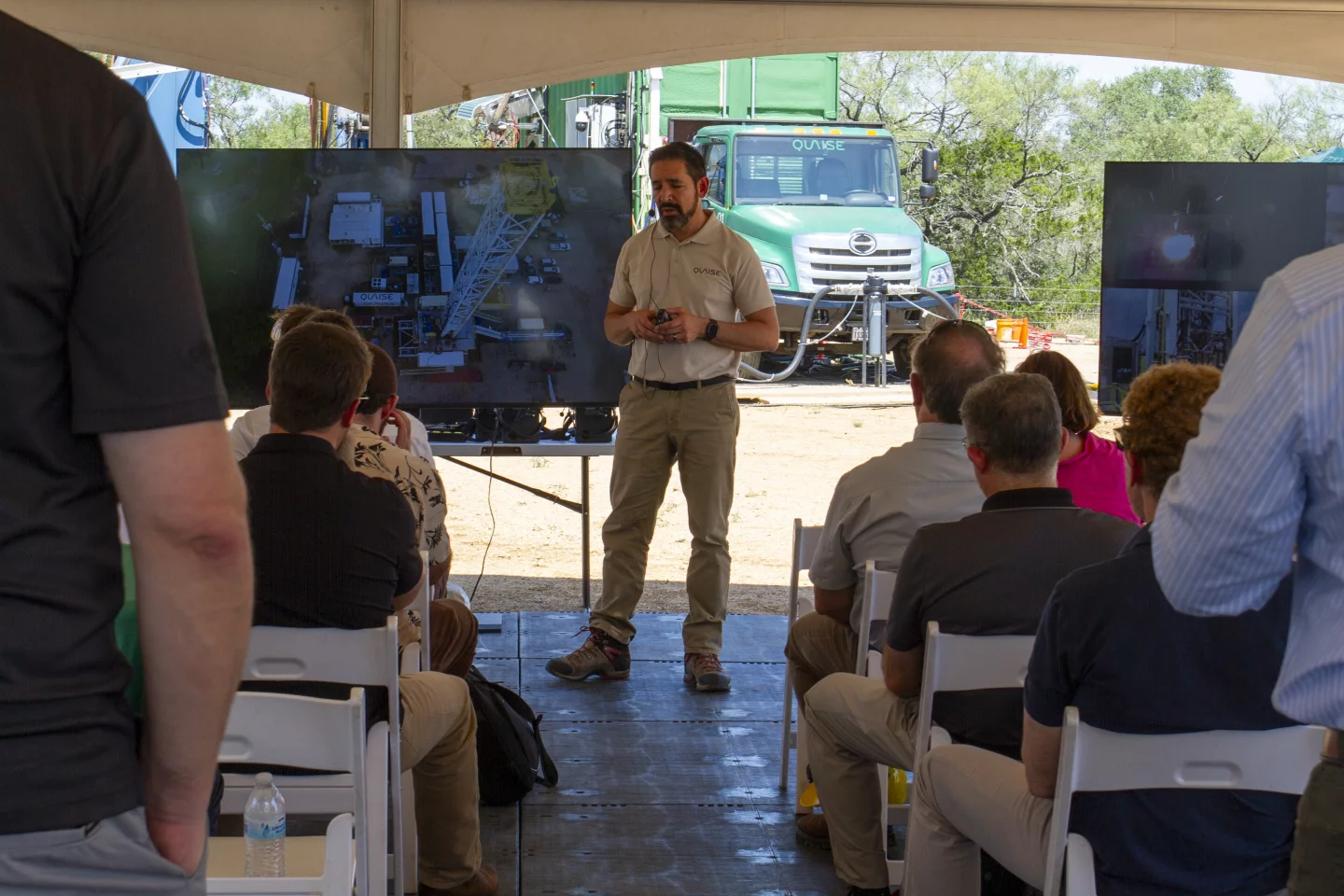
“Our goal is to build out to a gigawatt in the area,” says Carlos Araque, CEO and co-founder of Quaise Energy, referring to the Newberry Volcano location. “We believe our breakthrough drilling technology could ultimately make gigawatt-scale geothermal plants viable across the globe, including in regions where geothermal has never been possible before.”
When asked, “Could this unleash the lizard people that inhabit the inner sphere?” Araque responded with, “How do we know they did not already drill up using this technology and are already amongst us?” It certainly seems like he and the Quaise team have considered all potential scenarios.
If Quaise succeeds, geothermal just might become something more than what looks like a rounding error in the world of energy production.